Straight From Our Farm To You
Farming, Fairness, and Finding Our Flow
khandelwaalsakshee
4/4/2026
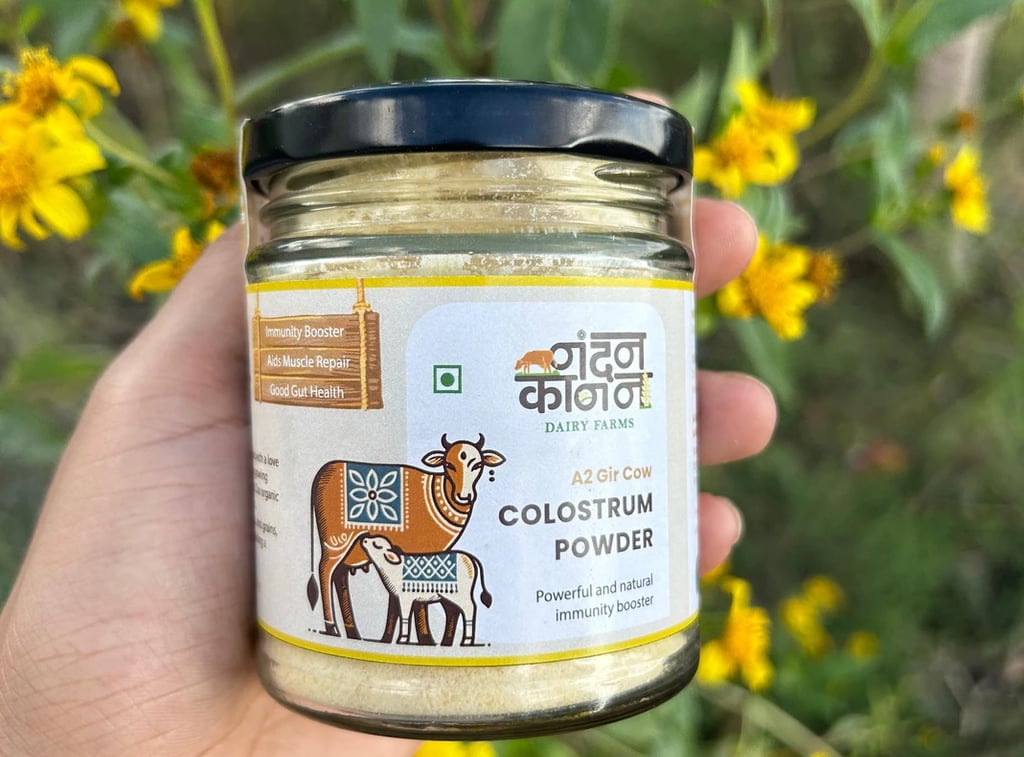
People often romanticize farming, rolling green fields, dewy mornings, the smell of fresh earth. And sure, there’s truth in that. But here’s the other truth: farming is as much about spreadsheets as it is about sowing seeds. It’s about hoping for the rain but planning for a drought, and yes, it’s about keeping things sustainable while not going broke in the process.
Take water, for instance. On a farm, water is life. Every crop, every blade of grass, every mooing cow depends on it. And in Maharashtra, where the weather has its own personality either over-the-top rain or stubborn dryness(drought), it’s an ongoing dance between “yay, the water tanks are full!” and “okay, who prayed for rain and forgot to mean it?” It’s unpredictable, but it’s what keeps us on our toes. Every year, my dad and I pray for rain. When the rain finally comes, it’s like the universe has answered our call, and my dad jumps with excitement like a kid on Christmas morning. It’s moments like these that make everything worth it for us as farmers. As soon as it rains in Ahilyanagar, he’s already picking up the phone to call his farmer friends in neighboring towns to see if they’ve received the rain too. I often hear him saying, "Bas baarish achi hojaye, maza ajayega." We live for these moments not necessarily the season itself, but the way each one brings something new, whether it’s a new crop or a new challenge.
And then there’s the weather. One bad season can set you back months. A too-early monsoon? Say goodbye to certain crops. A heatwave in March? Great for sunburns, not so great for the cows. But this unpredictability also keeps it real. Every sunrise feels like a fresh start, every drop of rain like a win.
What goes into the soil and what comes out
Running a farm isn’t just about the output; it’s about the input. We pour a lot into the soil organic fertilizers, lots of water and care and plenty of hope. Our aim is to keep it as natural as possible, but let’s not sugarcoat things: being sustainable isn’t a switch you flip overnight. It’s a commitment, and it’s not cheap. From sourcing organic seeds to saying no to shortcuts, every decision comes with its own set of challenges. Great thing is, as we grow we make our own seeds to ensure that the cycle is organic and pesticides free.
And then there’s the pricing. Let’s address the elephant in the room: why is truly good food so expensive? The answer is simple - it’s fair, unadultered and grown by nature taking its own course. When we price our ghee or fresh produce, it’s not just about covering costs; it’s about respecting the cows, the soil, the people working tirelessly, and you, the consumer. Every rupee represents the care and effort behind that jar of ghee or bundle of spinach.
The challenges and why we love it anyway
Let’s be real: farming isn’t for the faint-hearted. There are days when the challenges feel bigger than the fields themselves. When pests find your crops faster than you can, or when the idea of being sustainable feels miles away because, well, it’s not always affordable right now. But here’s the thing: farming is also incredibly liberating and when supported by consumers, even the smallest actions can make a big difference like supported local farmers or business, bringing back empty jars for refills or using a cotton bag instead of plastic. Every little step counts towards making a positive impact.
There’s something magical about seeing your efforts take root, literally. About knowing your work contributes to something bigger, something cleaner, something honest. It’s grounding, humbling, and yes, exhausting, but it’s worth every sunrise spent sowing seeds and every sunset spent feeding the cows.
We’re not perfect. We’re not 100% sustainable yet. But we’re getting there, one step (and one ghee jar) at a time. And if you ever want to see what this journey looks like mud, mooing, and all aaaannnnnd you’re always welcome at our farm.
So here’s to the rain we need, the crops we grow, and the future we’re building. Slowly, steadily, and sustainably.